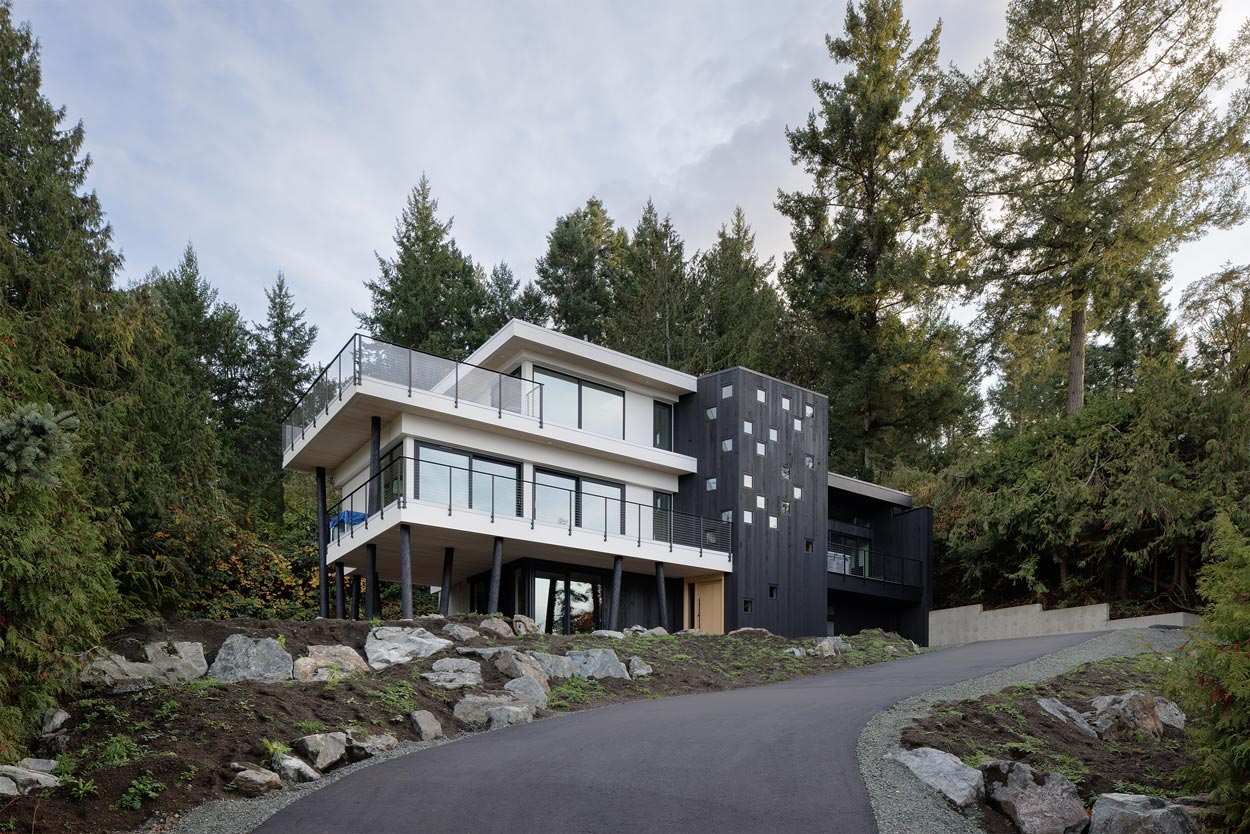
Building a custom home on Vancouver Island? Here’s what you need to know about two of the most talked-about approaches to energy-efficient construction.
When planning your dream home in the greater Victoria area, you’ve likely encountered terms like “Net Zero” and “Passive House.” While both represent cutting-edge approaches to sustainable building, they achieve energy efficiency through fundamentally different strategies. Understanding these differences is crucial for making an informed decision about your custom home project.
What is a Net Zero Home?
A Net Zero home is designed with a simple but powerful goal: to produce as much energy on an annual basis as it consumes. Think of it as achieving a perfect energy balance over the course of a year. Housing accounts for approximately 17% of secondary energy used in Canada, making energy-efficient home design an important consideration for Canadian homeowners.
Net Zero homes achieve this balance through a combination of energy-efficient construction and renewable energy generation. This reduction comes from improved insulation, high-performance windows, and efficient heating and cooling systems. However, the real magic happens when renewable energy generation meets this reduced demand.
Key Benefits of Net Zero Homes:
Energy Independence: Net Zero homes can achieve complete energy self-sufficiency, reducing your reliance on the electrical grid and protecting you from rising energy costs.
Flexibility in Design: Net Zero design typically involves off-the-shelf, energy-efficient technology, providing builders with more flexibility in design choices while still meeting performance goals.
Future-Proof Investment: As BC’s electrical grid continues to evolve and carbon pricing increases, Net Zero homes become increasingly valuable investments.
Renewable Energy Integration: Net Zero homes typically incorporate solar panels, battery storage, and smart home technologies that can even sell excess energy back to the grid.
What is a Passive House?
Passive house homes, also known as Passivhaus in Europe, are designed to minimize overall energy use and maximize occupant comfort. Passive houses focus on energy efficiency through rigid design principles rather than generating renewable energy.
The results are impressive: Passive houses can achieve significant energy savings compared to typical homes built to building codes. This dramatic reduction comes from an integrated approach to building design that focuses on preventing energy loss in the first place.
Key Benefits of Passive House Design:
Exceptional Comfort: Passive Houses maintain consistent temperatures throughout the home, eliminating cold spots and drafts that plague conventional homes.
Superior Indoor Air Quality: The continuous ventilation system ensures fresh, filtered air throughout the home, which is particularly beneficial for those with allergies or respiratory sensitivities.
Proven Performance: Passive House Low Energy Building Certification is an internationally recognized building certification system, providing third-party verification and a stamp of quality assurance.
Long-Term Durability: The rigorous construction standards and quality control processes typically result in buildings that last longer and require less maintenance
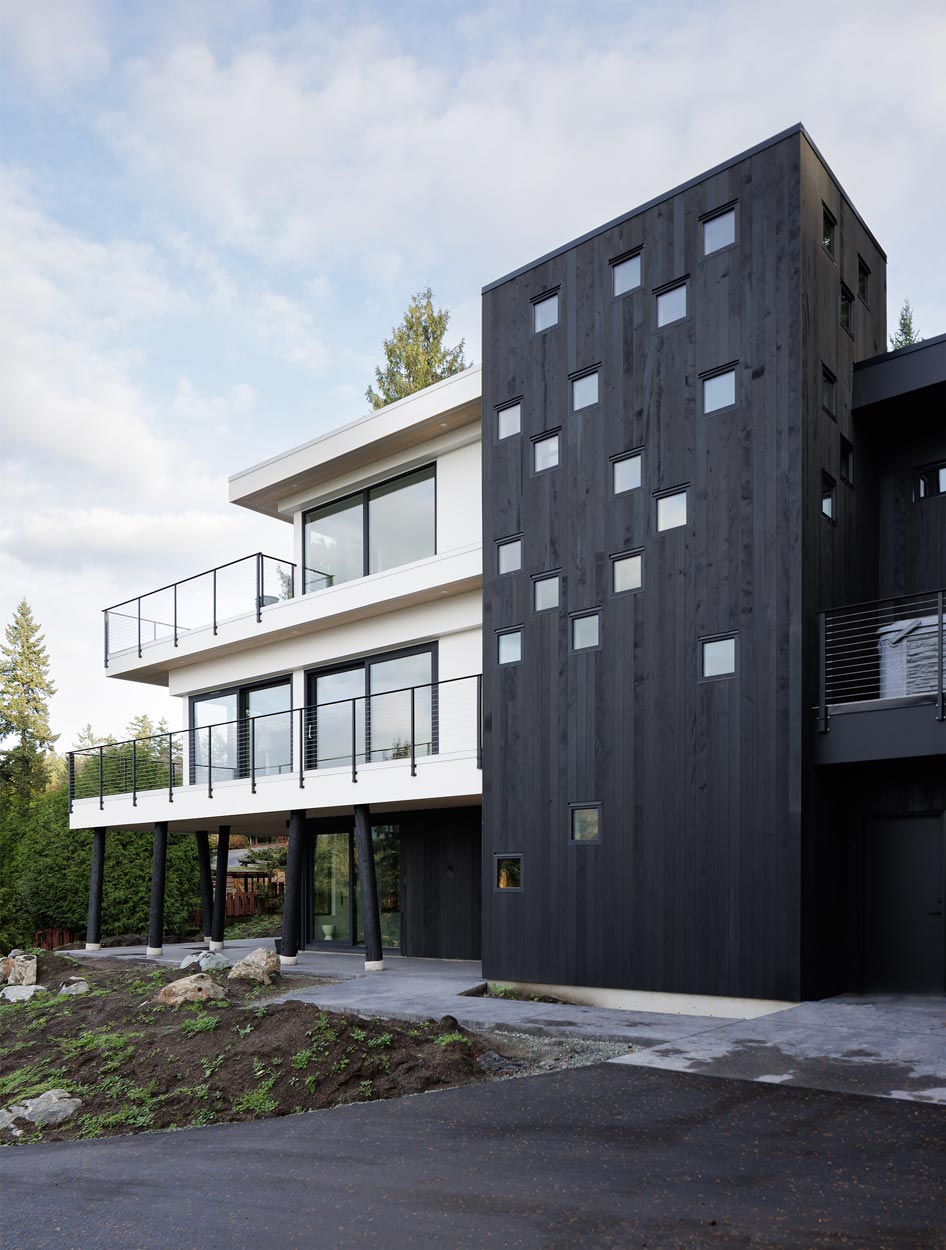
The Fundamental Difference
The core distinction between these approaches lies in their strategy: Passive House focuses on reducing energy demand by minimizing heat loss and gain, while Net Zero focuses on increasing energy supply by generating electricity on-site.
Passive house is a model of home construction, whereas Net Zero is an energy consumption model. This means they’re not mutually exclusive – in fact, combining both approaches can create the ultimate high-performance home.
Certification and Standards
For homeowners interested in Passive House certification, the primary criteria passive houses must fulfill include a space heat demand maximum of 15 kWh/m²a, a pressurization test result @ 50 Pa max of 0.6 ACH, and a total primary energy demand maximum of 120 kWh/m²a.
For Vancouver Island builders, it’s worth noting that Passive House certification meets BC Step Code requirements, making it an excellent choice for meeting current and future building regulations.
Cost Considerations
Passive House buildings are typically more expensive to construct, but over time, they tend to pay for themselves with reduced utility bills. The upfront investment in superior insulation, high-performance windows, and ventilation systems pays dividends through decades of reduced energy costs.
Net Zero homes also require significant upfront investment, particularly in renewable energy systems. However, federal and provincial incentives for solar installations can help offset these costs, and the long-term savings from eliminating energy bills can be substantial.
Making the Right Choice for Your Victoria Home
The decision between a passive house and a Net Zero house depends on your priorities, location, and long-term goals. Consider these factors:
Climate Considerations: Victoria’s mild climate makes both approaches viable, but Passive House design is particularly well-suited to our maritime climate with its focus on managing moisture and maintaining comfort.
Lot Orientation: Net Zero homes benefit from southern exposure for solar panels, while Passive House design can work with various orientations through careful planning.
Personal Priorities: If energy independence is your primary goal, Net Zero might be the better choice. If comfort, indoor air quality, and long-term durability are your priorities, Passive House could be ideal.
Budget and Timeline: Consider both upfront costs and long-term operating expenses when making your decision.
The Best of Both Worlds
Many forward-thinking homeowners are discovering that combining both approaches creates the ultimate high-performance home. It’s easier to achieve Net Zero if a home has a Passive Solar Design or is designed as a Passive House.
Starting with Passive House construction principles dramatically reduces energy needs, making it easier and more affordable to achieve Net Zero performance through renewable energy systems. This combined approach offers the comfort and durability of Passive House design with the energy independence of Net Zero performance.

Working with Haven Projects
At Haven Projects, we understand that choosing between these approaches – or combining them – requires careful consideration of your specific needs, site conditions, and long-term goals. Our team stays current with the latest developments in both Net Zero and Passive House construction, ensuring your custom home incorporates the most effective strategies for your unique situation.
Whether you’re drawn to the energy independence of Net Zero design, the comfort and efficiency of Passive House construction, or a combination of both approaches, we’re here to help you create a home that exceeds your expectations while minimizing its environmental impact.
Your custom home should be a reflection of your values and lifestyle. With the right approach to high-performance construction, you can enjoy superior comfort, reduced environmental impact, and add long-term value in your Victoria area home.
Ready to explore Net Zero or Passive House construction for your custom home? We’ll discuss how these innovative approaches can be integrated into your dream home design.
Let's connect
Contact Us